

61 products


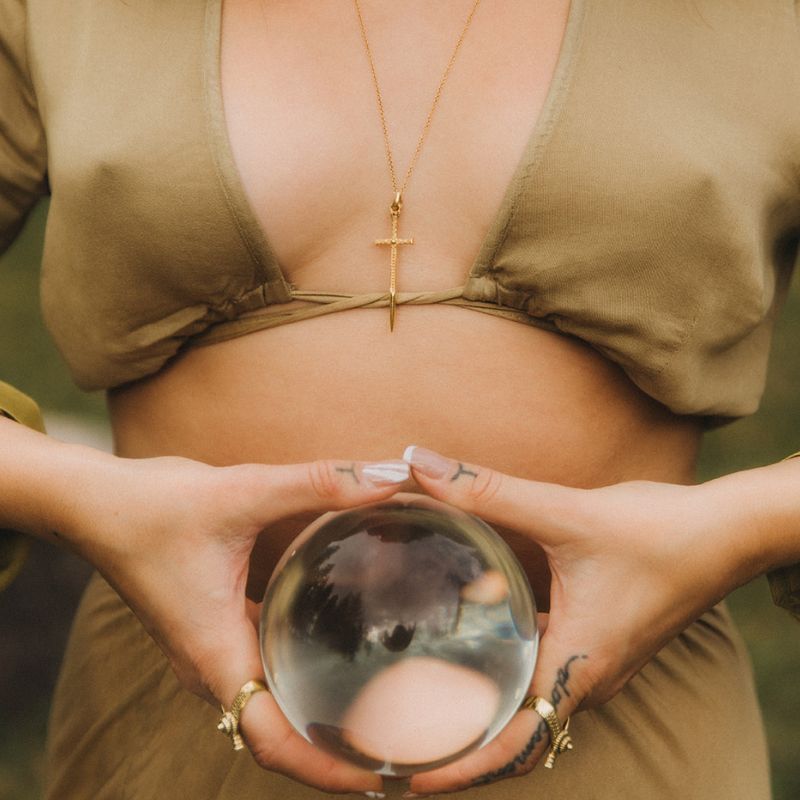
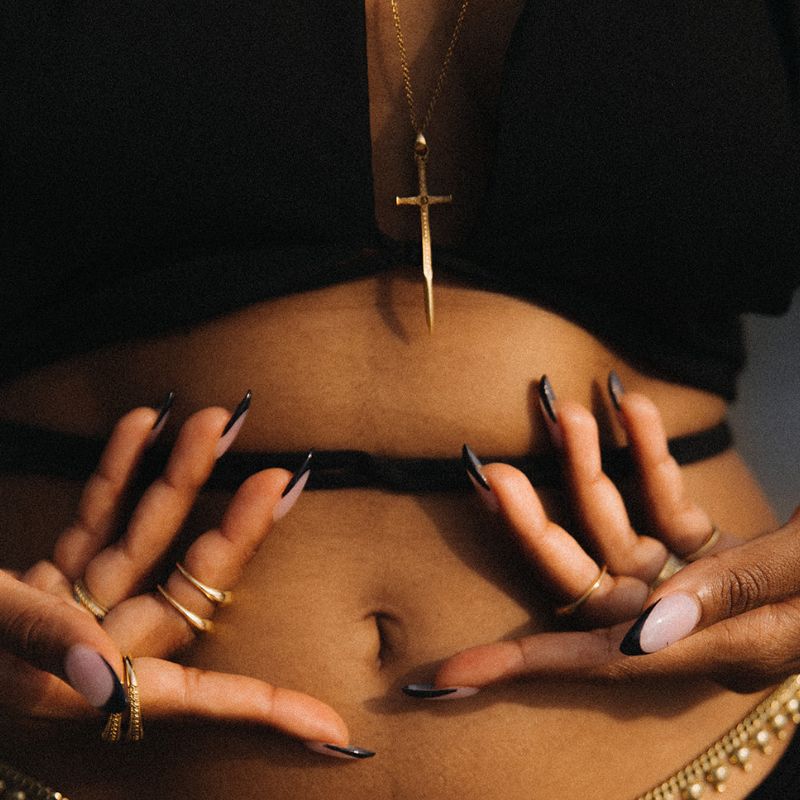
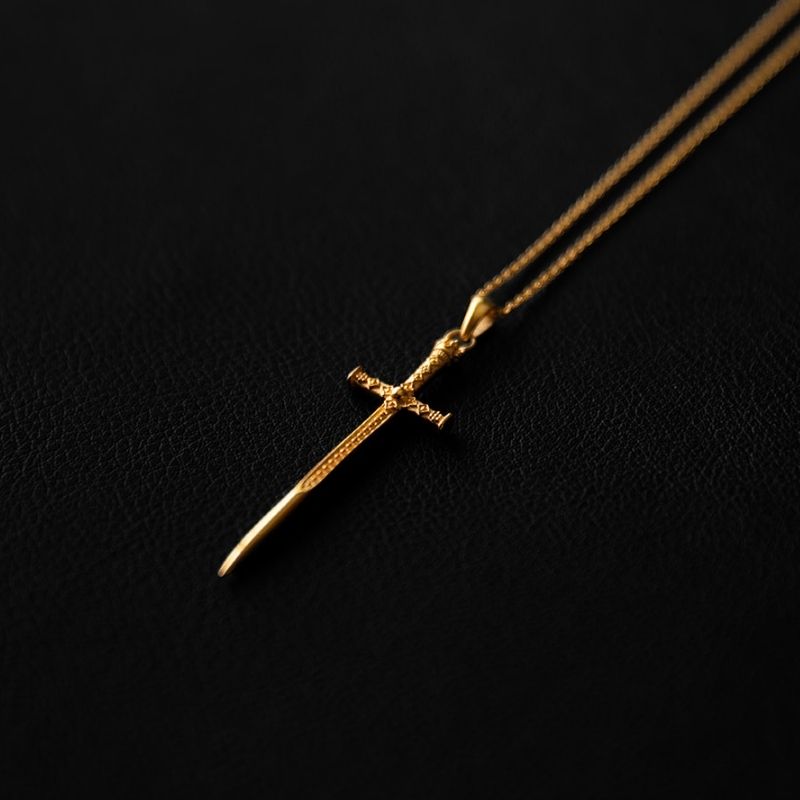
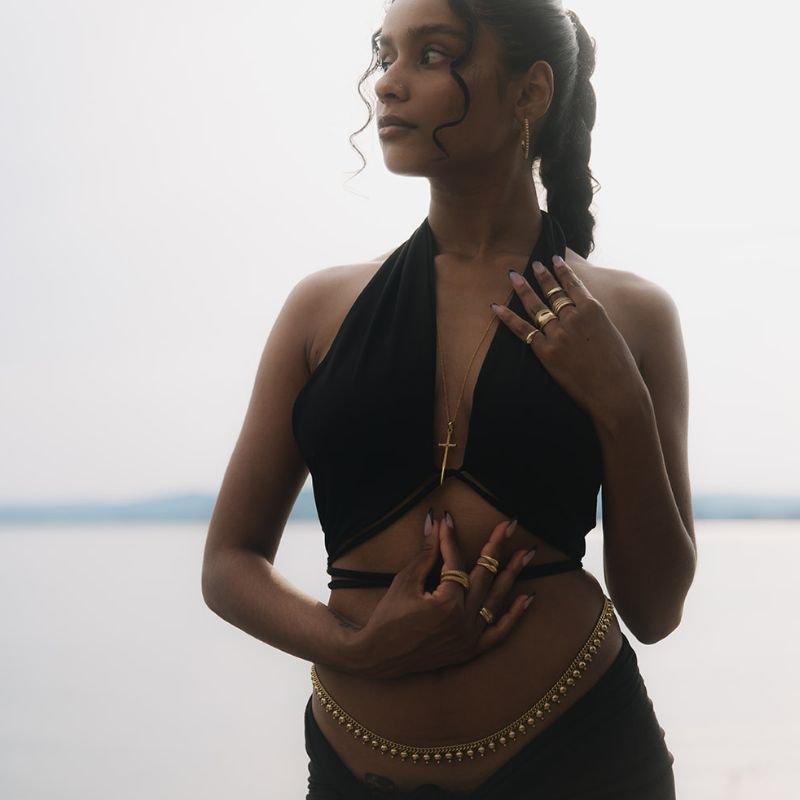
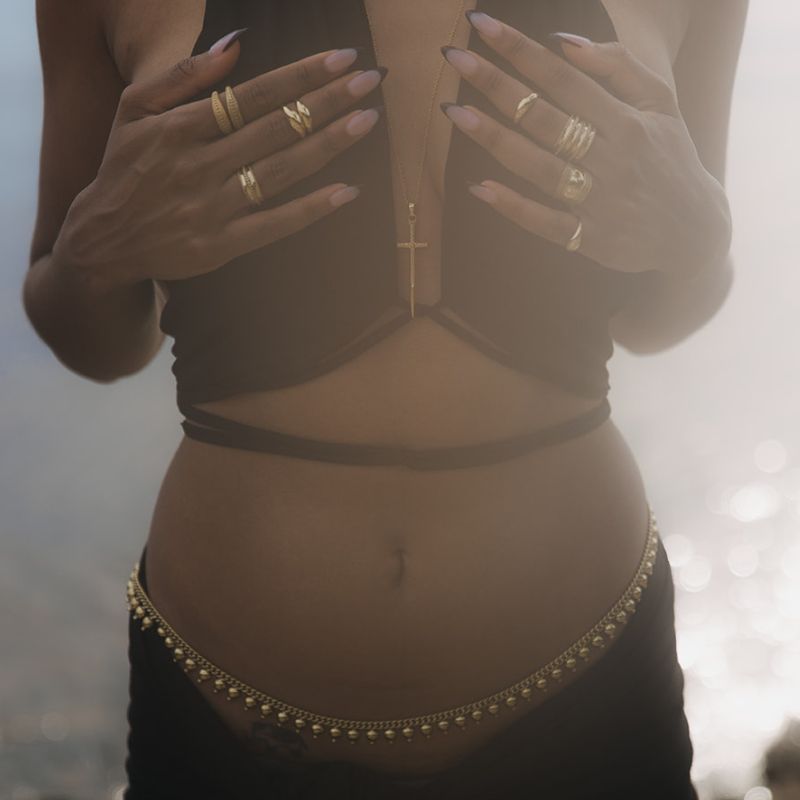


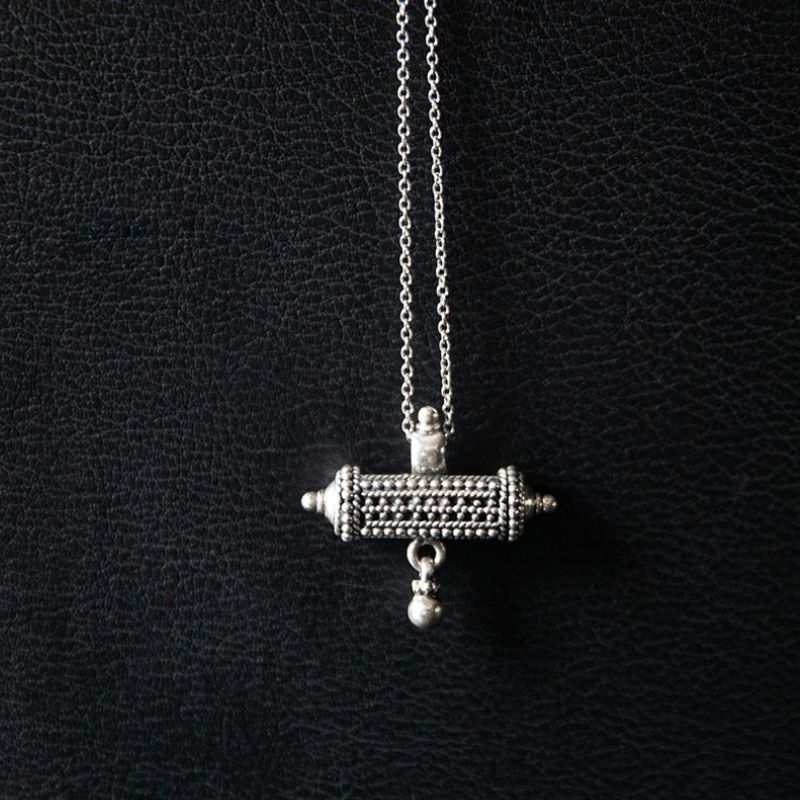
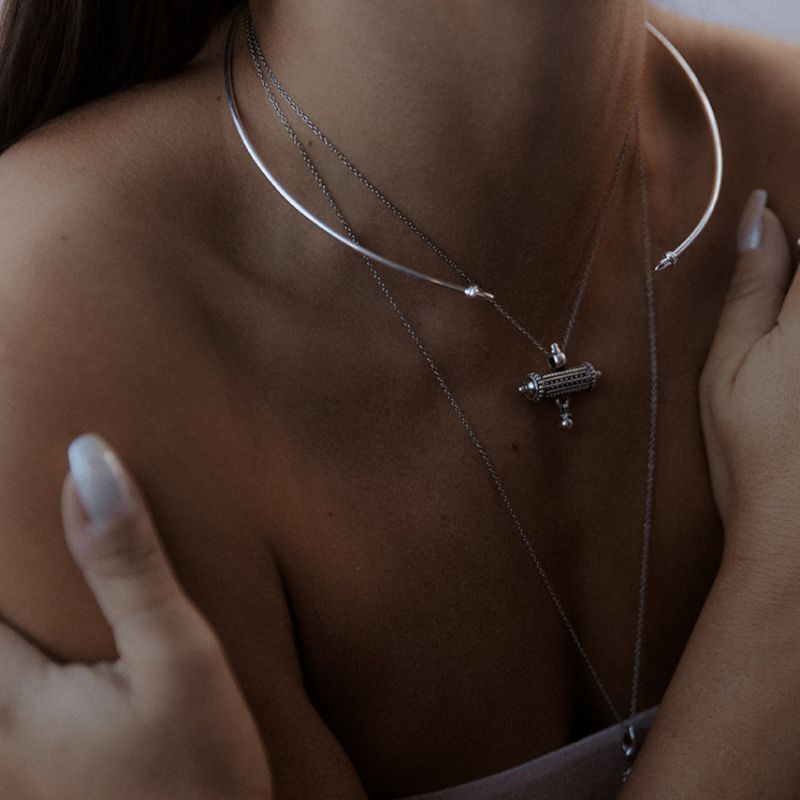
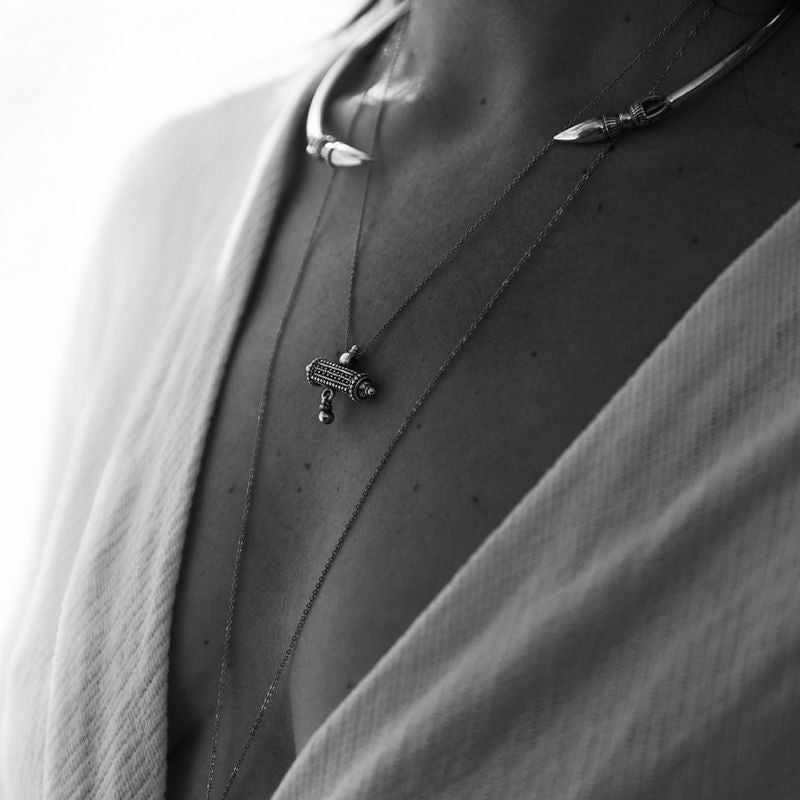
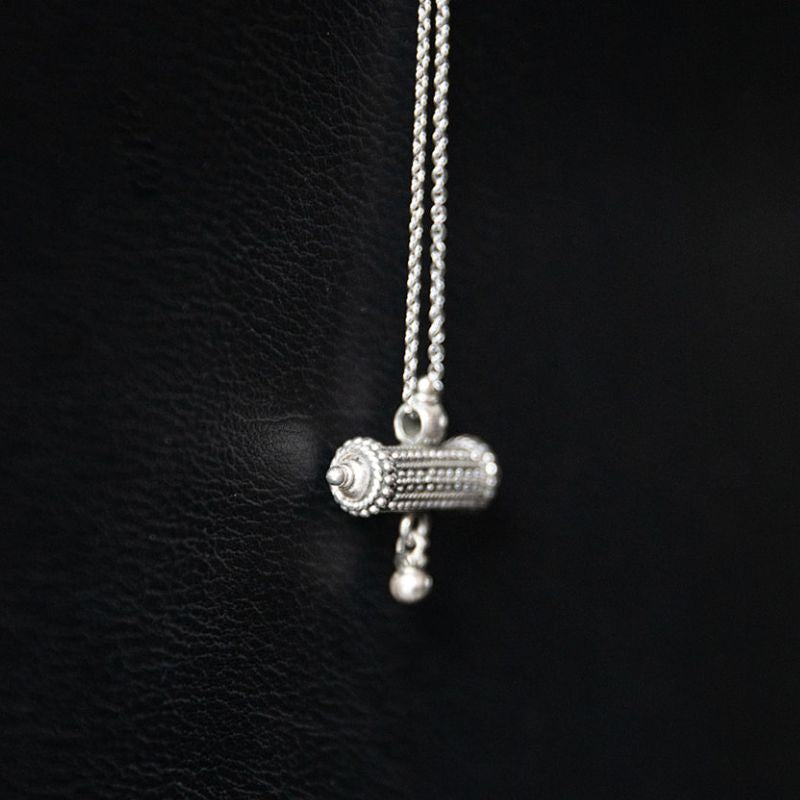
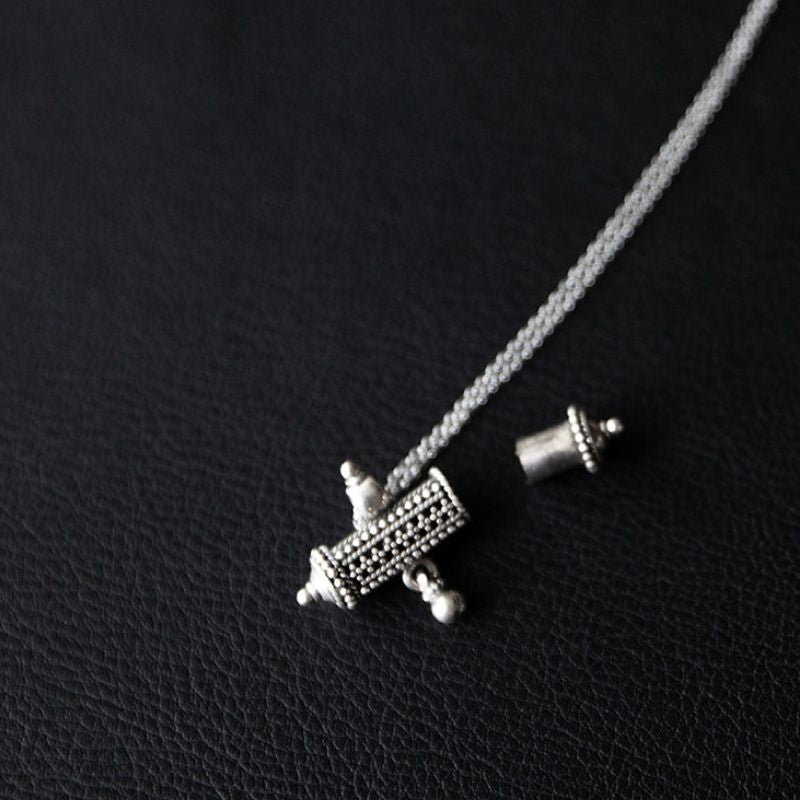
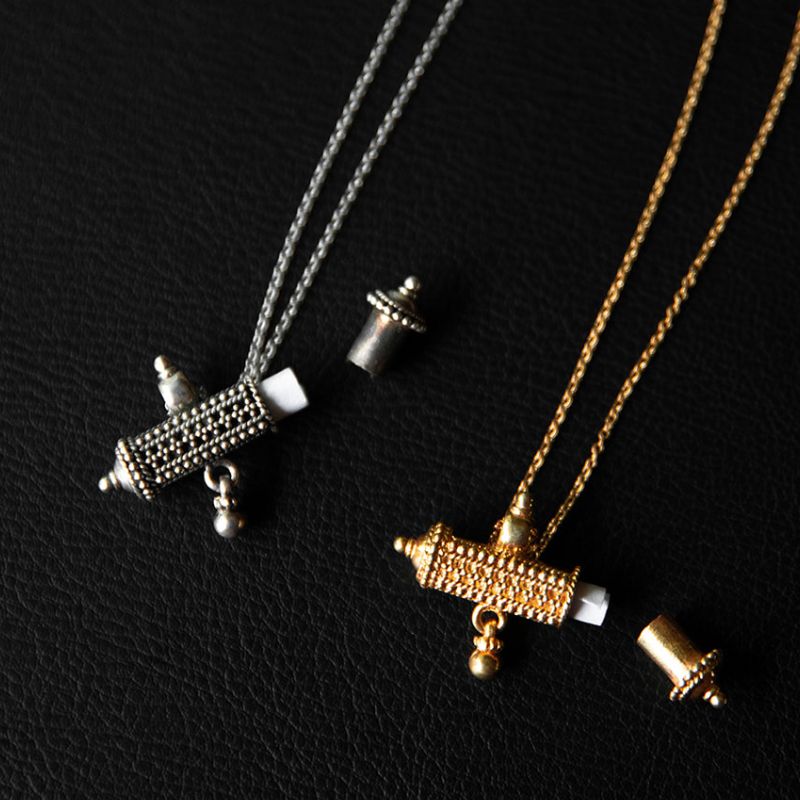


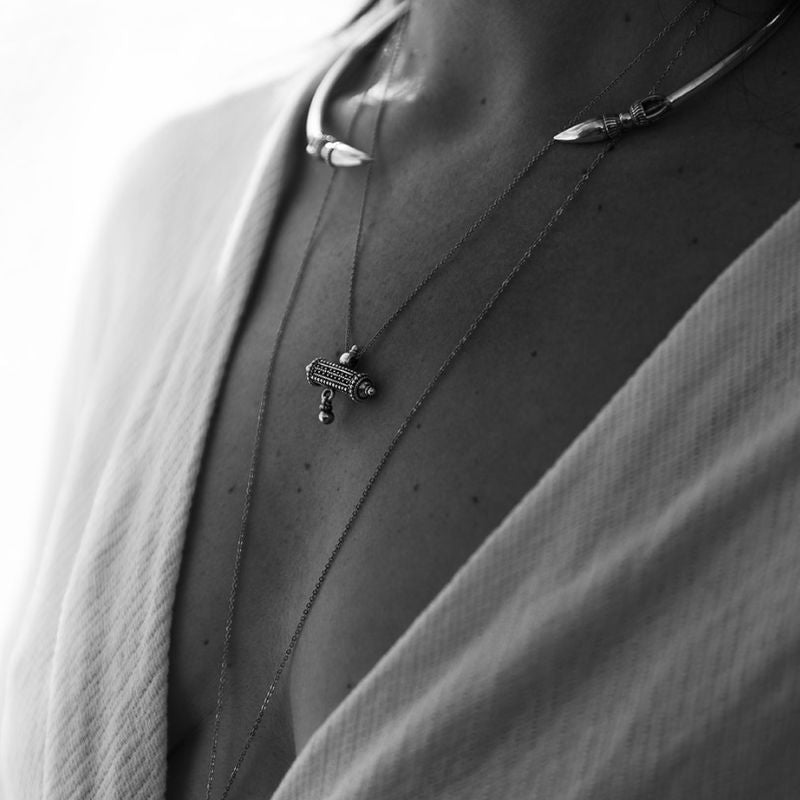


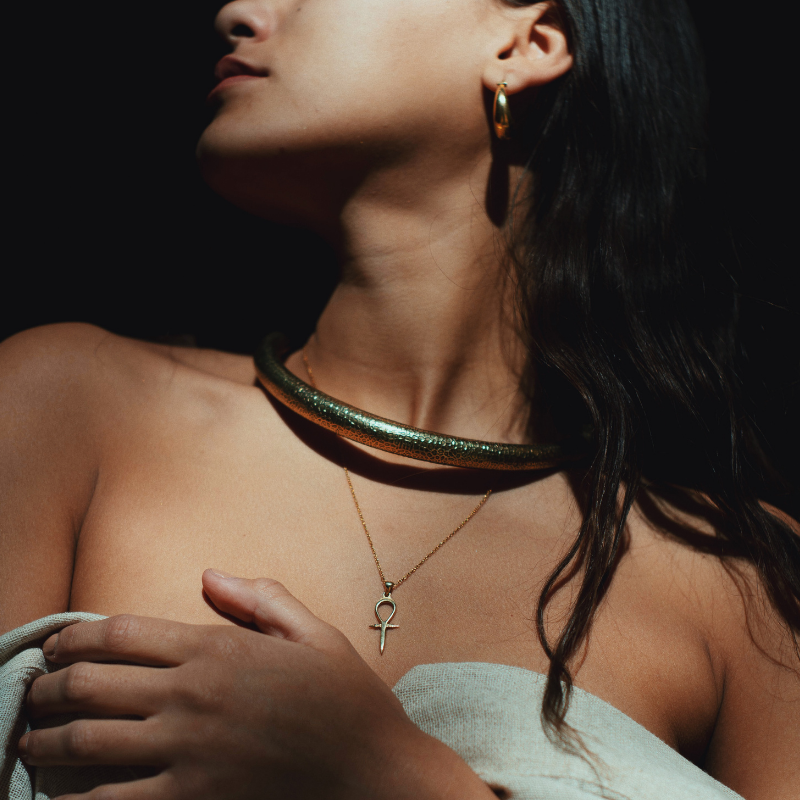


A khanda necklace, a vajra pendant, and a phurba pendant each carry a precisely defined ritual weapon form, rendered as wearable jewelry in 925 sterling silver. This collection gathers Noir KĀLA's three most formally exact pendant forms, objects whose structure is documented and follows a defined form within their traditions of origin.
Each form has its own structural logic. The Khanda, the emblem of the Sikh faith, is a composite of three elements: a double-edged sword at the centre, two single-edged kirpans flanking it, and the circular chakkar encircling the whole. The Vajra, from Hindu and Vajrayana Buddhist iconography, is a symmetrical double-headed implement with radial prongs meeting at a central sphere, available in single and crossed double vajra form. The Phurba, a Tibetan ritual dagger, carries a distinctive three-sided blade meeting at a single point beneath a detailed handle.
These are historically documented objects, and Noir KĀLA describes them that way. The meaning each form carries is embedded in its structure, in the Khanda's composite geometry, the Vajra's radial symmetry, the Phurba's triple blade. It is not applied as decoration or claimed as a property of the pendant itself. That anthropological approach is deliberate. These forms deserve accuracy.
Material serves that precision. Every piece is cast in 925 sterling silver, an alloy of 92.5% fine silver and 7.5% other metals, primarily copper, with the fineness to generally hold radial prongs, blade facets, and layered emblem detail at pendant scale. The alloy is hypoallergenic, and each pendant is handcrafted in small batches through long-standing relationships with skilled makers in Rajasthan, India, where this level of symmetry and proportional control is finished by hand.
Within the broader sword and dagger cluster, these three forms stand apart. They are form-faithful renderings of specific objects. Whether you come to them through cultural connection, design interest, or as a considered gift for someone with either, browse the collection to compare the three forms in detail.
Frequently asked questions
What is a Khanda pendant?
What is a Vajra pendant and what does it represent?
What is a Phurba pendant?
What material are Noir KĀLA's Khanda, Vajra, and Phurba pendants made from?
How do these pendant forms differ from other sword and dagger jewelry?

EXTENDED 1-YEAR WARRANTY
We’re committed to the best. Delight in the benefits of an
extended 1-year warranty.

30-DAYS EXCHANGES
We gladly accept returns for exchanges or gift-card
within a delay of 30 days.
WORLDWIDE FREE SHIPPINGS
Orders over $200 qualify for free shipping!
